A quiet hilltop villa,
told the way it is lived.
Casa de Mango sits above Litibu, on the Mexican Pacific coast — one acre of land, ocean and mountain in the same window, and a pace that arrives with the first cup of coffee. The website is written to convey that feeling first, and only then to help you book a stay.
- Sector
- Hospitality
- Format
- Vacation Rental
- Location
- Litibu, Mexico
- Year
- 2026
A property that deserved to be felt, not listed.
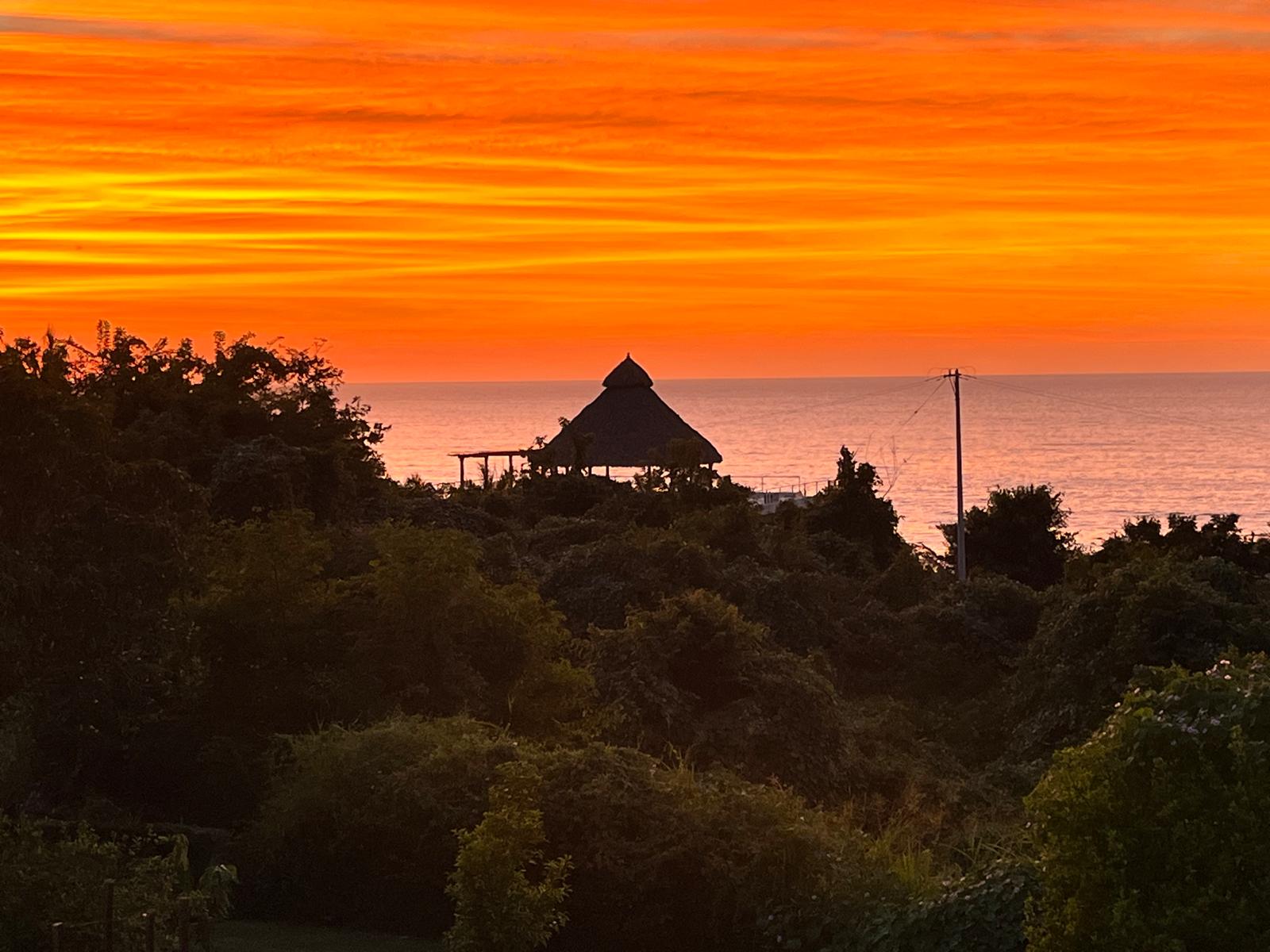
Casa de Mango sits on one acre of private land, perched on a hill with mountains on one side and the Pacific Ocean on the other. Warm breezes, beautiful sunrises, and peaceful sunsets arrive with the days. A large swimming pool and open outdoor spaces give the property a calm, spacious, restorative feeling.
Our task was to build a digital home that carried that same feeling — something closer to a travel journal than a rental listing. Every section is designed to reduce the distance between a curious visitor and someone quietly imagining themselves already there.
Casa de Mango began with friendship.
Kamran Ishrat and his lifelong friend, Irfan, regularly vacationed in Litibu, Mexico. After discovering a beautiful hilltop property in a peaceful expatriate community, they purchased it together as a holiday home.
Over time they realized the property could offer the same experience to travelers looking for peace, privacy, and nature, so they began welcoming guests.
The villa's name, Casa de Mango, honors another lifelong friend, Asif Ali, whose family owns a large mango farm.
This project began with friendship long before it became hospitality.
Booking platforms list rooms. They don't explain the experience.
Platforms list amenities, not feelings
Bedrooms, bathrooms, and pricing are honest details, but they cannot describe the light, the pace, or the silence of a place like this.
The hilltop location raises real questions
A steep, winding drive brings guests up to the villa. It's part of the arrival — but it also creates understandable concerns before anyone books.
Guests need reassurance, not persuasion
Travelers coming this far need to know how they get there, who looks after them, and what happens if something goes wrong.
Transparency has to become trust
Instead of hiding the concerns, the website explains them honestly — showing that transportation, a caretaker, and local support are already in place.
Rather than hide the hill, the site names it. It explains the transport, introduces the caretaker, and shows the local support already in place. Transparency creates trust — and trust turned out to be the strongest thing the page could offer.
Five principles that shaped the experience.
Tell stories instead of listing features
Room counts and amenity lists never explain what it feels like to wake here. The site is written to describe an experience — the light, the pace, the silence — not a listing.
Build trust before asking guests to book
By the time the booking panel appears, the guest has already met the villa, its rhythm, and the people looking after it.
Answer questions before guests ask them
Every serious question a traveler has — access, transport, care, safety — is addressed openly on the page, before the enquiry form is opened.
Turn concerns into reassurance
The steep hill, the remoteness, the distance from a city — these are named plainly and immediately answered, so honesty becomes part of the welcome.
Present the property through the eyes of someone who has actually stayed there
The narrative follows the arc of a stay — arrival, mornings, afternoons, evenings — instead of the layout of a floor plan.
A stay, described in three movements.
Most guests are escaping busy cities or cold Canadian winters — people looking for peace, privacy, and nature. The journey below is written for them.
- 01
Arrival
Guests arrive after escaping busy cities or cold Canadian winters. The first impression is the openness of the property, the surrounding landscape, and the quiet atmosphere.
- 02
The Stay
During their stay they enjoy the pool, nearby beaches, local food, and excursions. The house is built to encourage the kind of stillness most guests came looking for.
- 03
Departure
They leave feeling rested rather than entertained. What most guests carry home isn't the villa itself — it's the weather, the mornings, and a feeling of having genuinely slowed down.
Experiences, not amenities.
Large swimming pool
Placed to catch the afternoon light, with quiet space around it — designed for lingering, not laps.
Hilltop ocean and mountain views
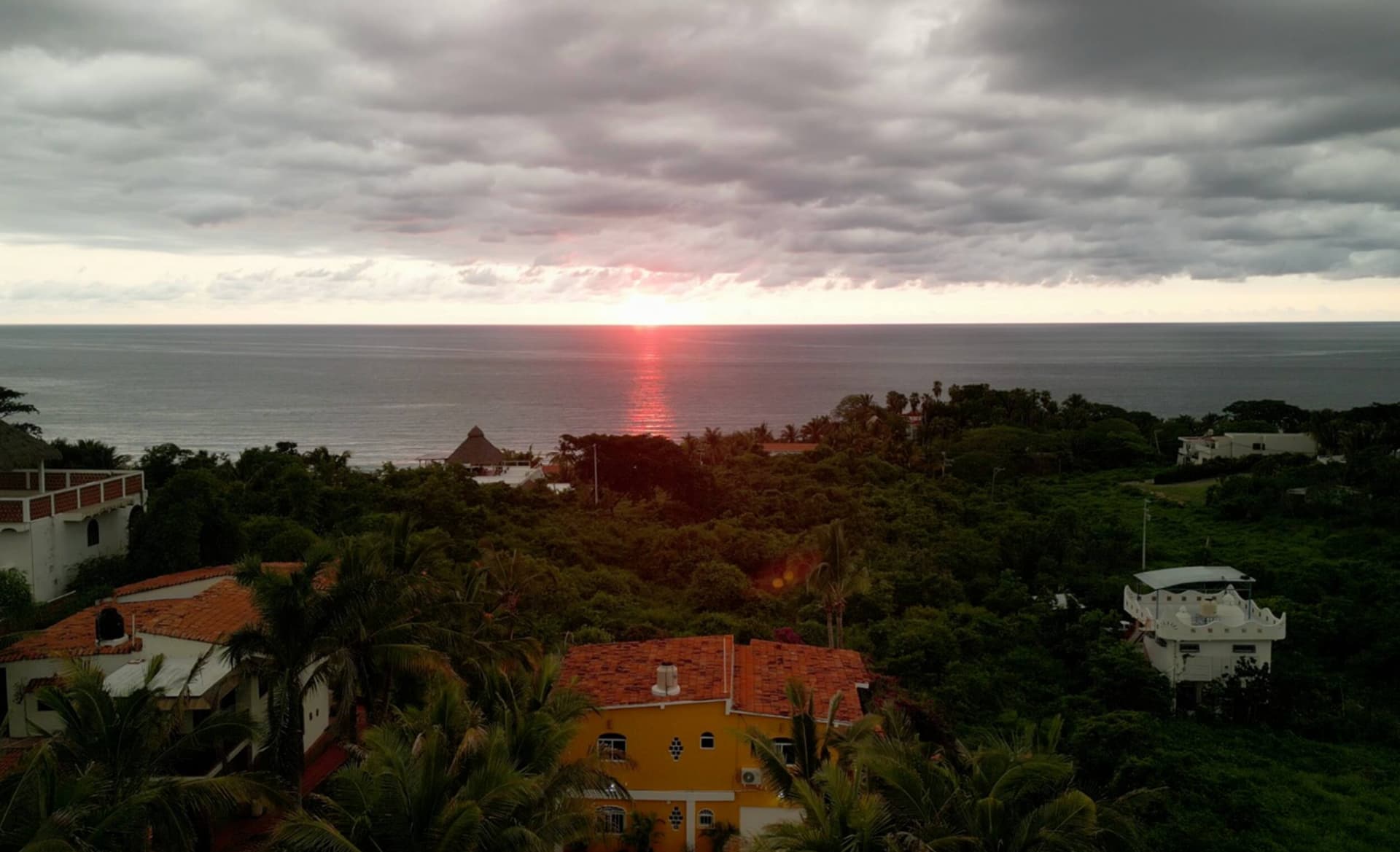
Perched above Litibu, the property looks two ways from a private, elevated position — out to the Pacific on one side, and to the coastal mountains on the other.
Peaceful surroundings
One acre of private land. Warm breezes, beautiful sunrises, peaceful sunsets, and very little to interrupt the hours.
Flexible accommodation
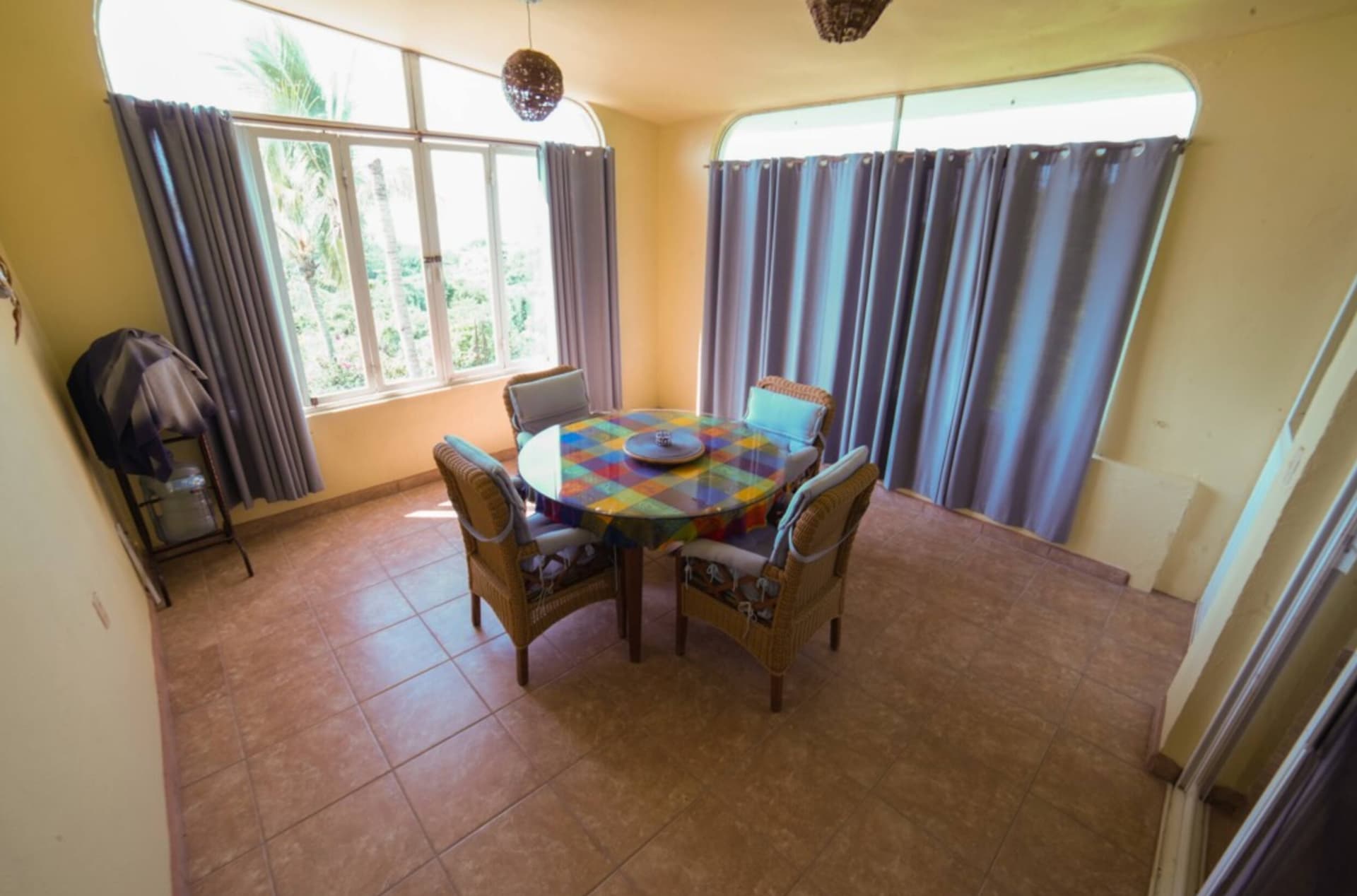
Separate floors for smaller groups, or the full villa for larger gatherings — arranged to suit the people staying, not the other way around.
The coast, as part of the holiday.
The area around Litibu is not a checklist of attractions — it is part of the stay itself. Everything below can be arranged with people the family already knows and trusts.
Punta Mita, local restaurants, and markets
The polished village of Punta Mita sits a short drive away, alongside small kitchens, fresh produce, and unhurried meals that only make sense on this coast.
Boat trips and whale watching
In season, humpback whales pass just offshore. A range of easy on-water days can be arranged directly with local guides the family already knows.
Fishing and snorkeling
Local guides lead fishing trips and snorkeling excursions in quiet coves the family has come to know over years of visiting.
Scuba diving
For divers, the Marietas islands and nearby reefs are within reach, making the villa a base for more than just the pool and the terrace.
The villa quietly became part of a wedding.
During one nearby wedding, a floral design company rented Casa de Mango as its preparation space. Hundreds of floral arrangements were created there before the ceremony.
The villa quietly became part of a memorable celebration.
Although Kamran manages the property remotely from Houston, he stays closely connected with both guests and the local caretakers throughout every visit. Hospitality is measured by making guests feel supported from booking through departure.
From another listing to a destination with its own identity.
A destination, not a listing
The project transformed Casa de Mango from another entry on booking platforms into a place with its own identity and story.
Guests understand the experience first
By helping visitors understand the complete experience before they arrive, the website answers questions and reduces uncertainty.
More direct bookings
The site encourages guests to book directly by building trust and showing them what a stay actually feels like.
A journey through the property.
Casa de Mango is remembered not because of a checklist of amenities, but because of how it makes people feel. For many visitors escaping long Canadian winters, the lasting memory is warm weather, quiet mornings, gentle ocean breezes, and sunsets that encourage them to slow down. That feeling became the foundation of the digital experience.
A website shouldn't just show a property. It should tell the story of staying there.